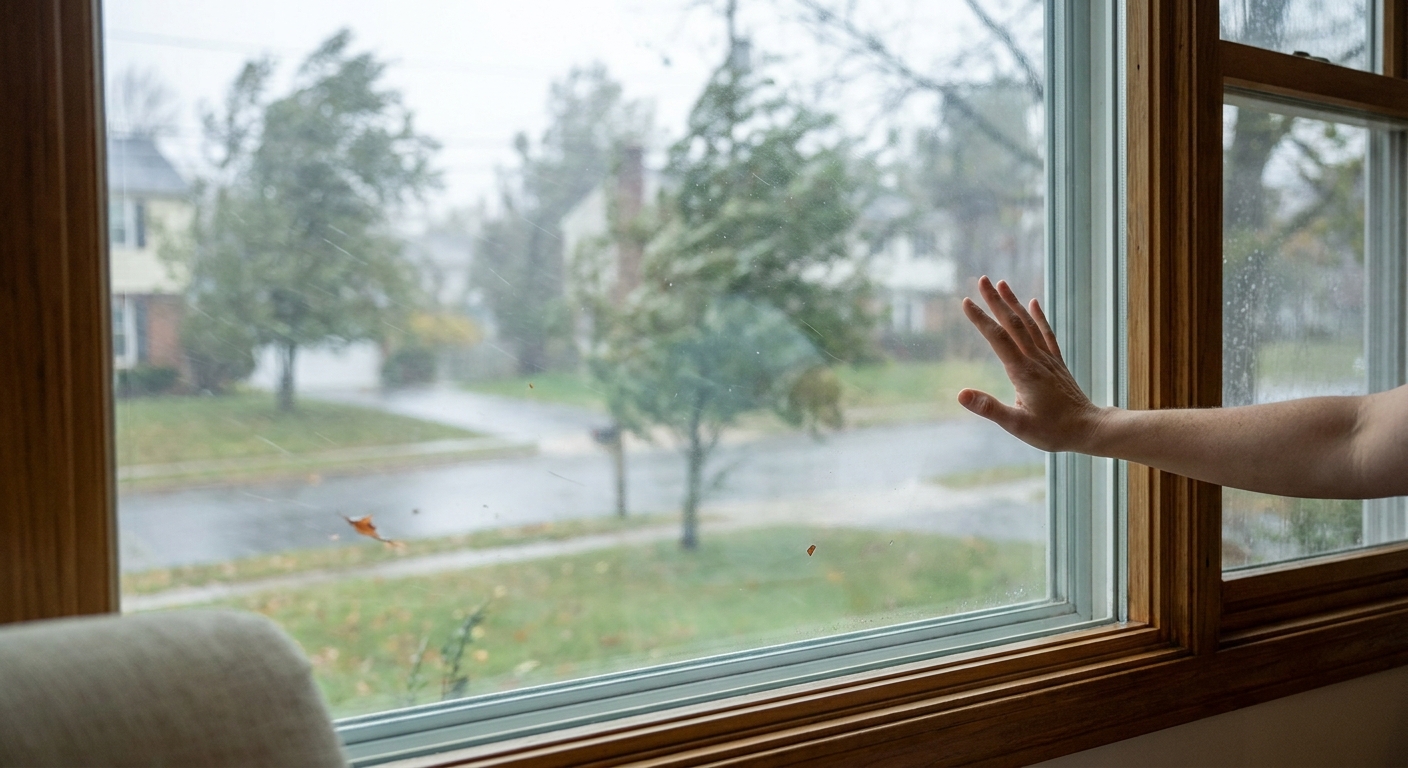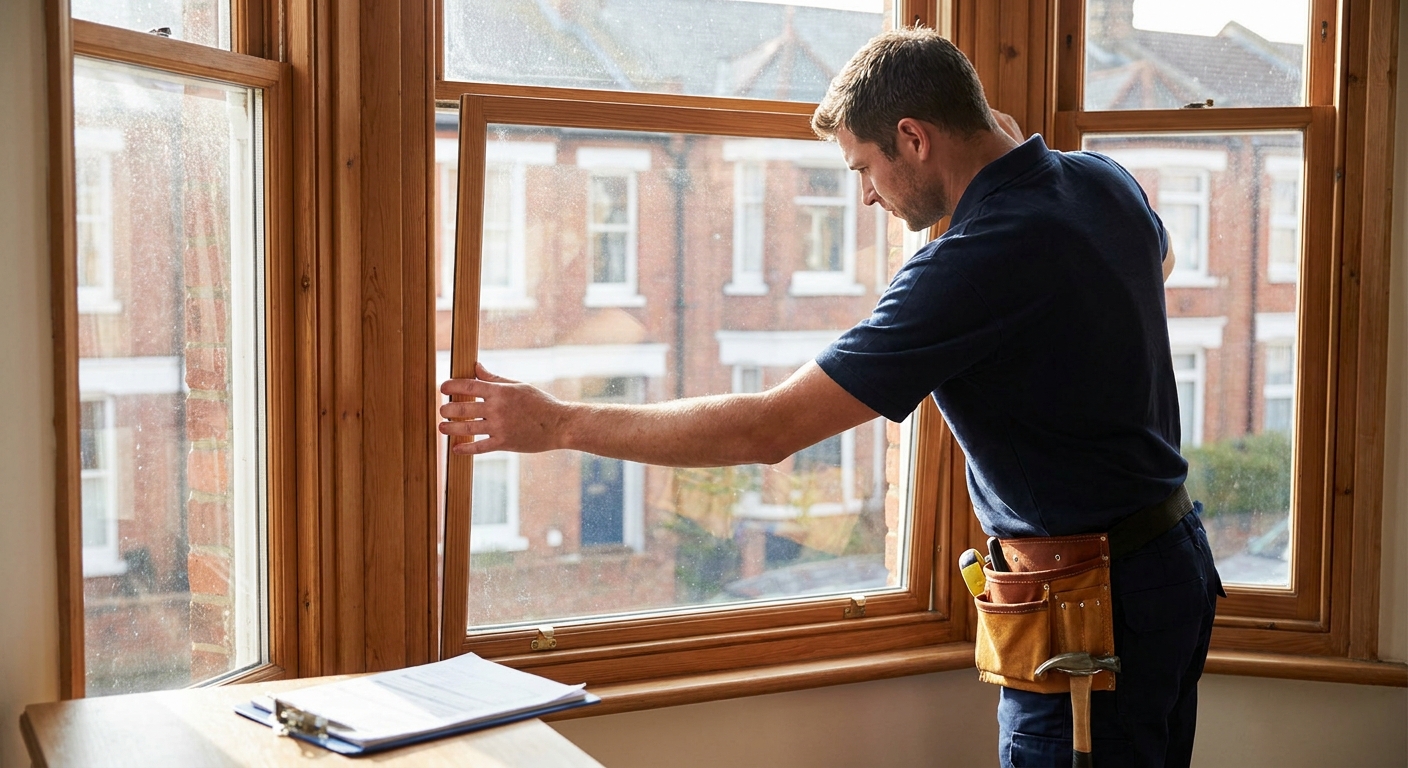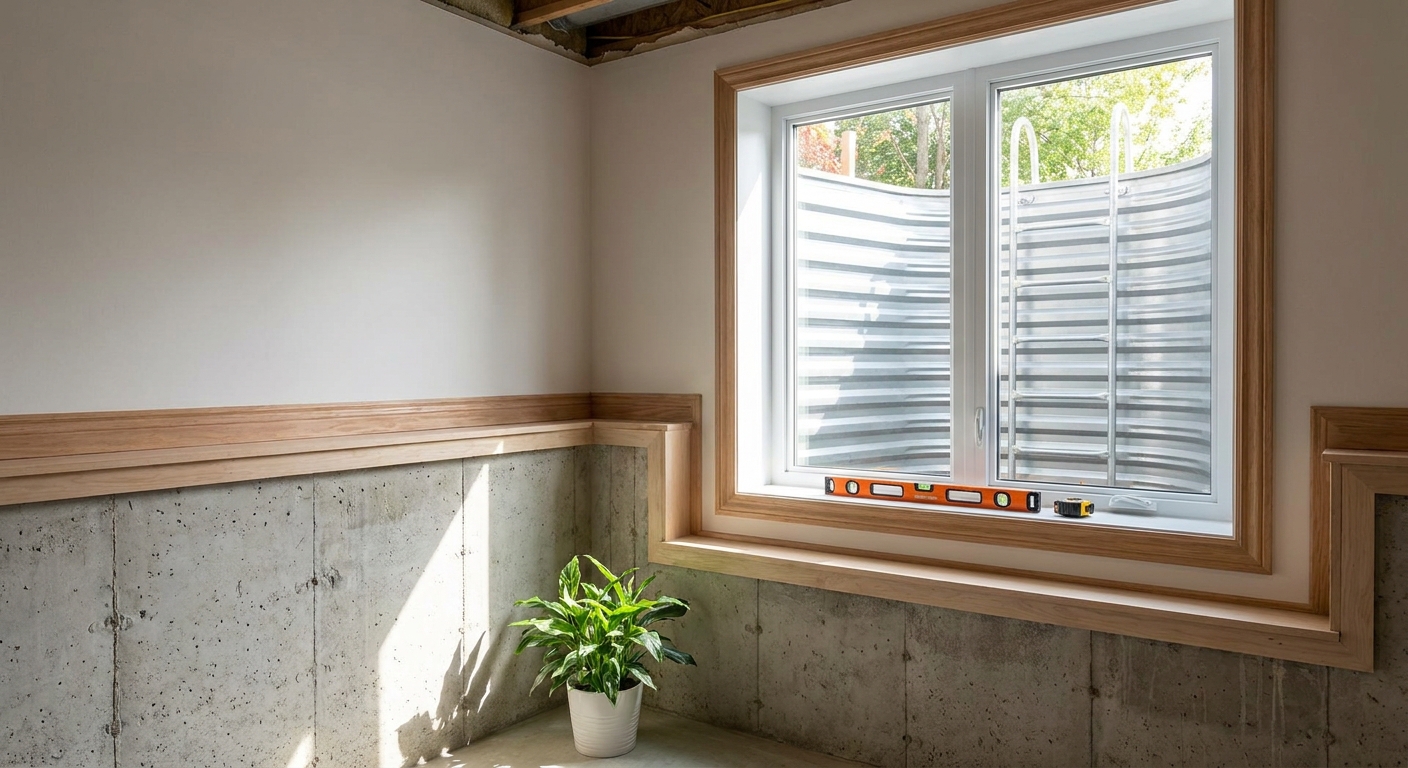

Traffic noise from a four-lane arterial or a stretch of I-95 doesn't stop at the window pane — it comes through the glass, the frame gaps, and the seal that's supposed to be doing its job. This guide breaks down what actually cuts road noise in a home window and what's just marketing.
- Laminated soundproof window glass with a 0.030-inch interlayer is the safe pick for homes on busy DMV corridors — Buy.
- Asymmetric double-pane units (1/8 inch and 3/16 inch glass with a 7/8 inch air gap) cut noticeably more noise than matched panes — Consider.
- Interior storm windows add a second air gap for renters or historic homes that can't touch the original sash — Consider.
- Window film sold as soundproofing does almost nothing to airborne road noise — Skip.
- STC ratings above 35 are the threshold that actually changes how a living room feels on a busy street in 2026.
Why this matters
A standard single-pane window sits around STC 25 to 27. A city bus idling at a light, a motorcycle accelerating, delivery trucks braking near a stop sign — all of that comes through at close to full volume. Homes along Route 1, Prince William Parkway, or anywhere near I-95 in the greater DMV area deal with this daily, and it doesn't improve with a thicker curtain.
Moving from STC 27 to STC 38 doesn't sound dramatic on paper, but the decibel scale is logarithmic — every 10-point STC gain reads as roughly half the perceived loudness. That's the difference between hearing every truck downshift and hearing a dull hum you stop noticing after a week. DMV Window Repairs sees this most often in homes built before double-pane glass was standard, where the original sash and single glazing were never built with road noise in mind.
Who this is for
This guide is for homeowners within a few hundred feet of an arterial road, a highway on-ramp, a rail line, or a commercial strip with regular truck traffic — the kind of property where conversations get interrupted by passing traffic and closed windows still let in a low rumble. If your street sees 15,000+ vehicles a day and you've caught yourself turning up the TV every time a truck passes, the fixes below apply directly to your situation.
What to look for in soundproof window glass
STC rating, not just the word "soundproof"
STC (Sound Transmission Class) is the only number that tells you what a window actually blocks. Anything under STC 30 barely beats a standard single-pane unit. Look for STC 35 or higher for a real difference on a busy road — that's the range where laminated glass and asymmetric double-pane assemblies land.
Air gap width in dual-pane units
A wider gap between panes traps more sound energy before it transmits through. A 1/2 inch gap does less than a 7/8 inch to 1 inch gap. If a quote lists the air space, that number matters as much as the glass thickness itself.
Asymmetric glass thickness
Two panes of the same thickness resonate at the same frequency and let more sound pass. Pairing a thin pane with a thicker one — say 1/8 inch and 3/16 inch — breaks up that resonance and blocks a wider range of frequencies, which matters on a road with mixed traffic (cars, trucks, motorcycles all hit different frequency bands).
Laminated interlayer
Laminated glass has a plastic interlayer (usually PVB) sandwiched between two glass layers. That interlayer damps vibration in a way plain glass can't, which is why laminated glass consistently outperforms plain glass of the same thickness on noise tests. It's the same construction used in hurricane-impact glass, so it does double duty in storm-prone parts of the DMV.
Frame and seal condition
The best glass in the world underperforms in a frame with gaps, worn weatherstripping, or a sash that doesn't close tight. Air leaks are noise leaks. Before paying for upgraded glass, confirm the frame and seal are airtight — otherwise you're solving half the problem.
Full-unit replacement vs. glass-only swap
Sometimes the fix is a new sealed glass unit in the existing frame; sometimes the frame itself is the weak point and needs full replacement. A contractor should tell you which situation you're in before quoting, not after.
Get a noise assessment on your windows
Free estimates for homes near busy roads across the DMV area.
Top picks for soundproof window glass
Laminated glass upgrade — the safe pick. A 0.030-inch PVB interlayer between two panes typically lands in the STC 35-38 range, which is the sweet spot for arterial-road noise without touching the frame. Homes with double-pane units already showing seal failure or fogging are the best candidates, since the glass swap happens anyway. If your current unit is failing, check what a double-pane window fogging repair actually involves before assuming a full frame replacement is needed. Verdict: Buy.
Asymmetric double-pane, wider air gap — the practical upgrade. Specifying a 7/8 inch air gap with mismatched pane thickness (1/8 inch and 3/16 inch) instead of a standard matched 1/2 inch double-pane gets you a meaningful STC bump without laminated glass pricing. Good fit for homeowners who want noise reduction bundled into a routine window replacement. Verdict: Consider.
Interior secondary glazing — the budget pick. An interior storm window adds a second air gap in front of the existing window, which can add 5-8 STC points without touching original sash or trim. This is the right call for historic homes where the original window can't be altered — worth reviewing alongside window replacement guidance for historic homes in Old Town Alexandria if preservation rules apply to your property. Verdict: Consider.
Triple-pane laminated combo — the high-end pick. Triple-pane with a laminated outer layer pushes into the STC 40+ range, the highest realistic performance for residential glass in 2026. It costs more up front and adds weight to the sash, so it makes sense mainly for homes directly facing a highway or arterial with no buffer. Verdict: Consider if the road noise is severe; otherwise laminated double-pane covers most cases.
Sliding glass door replacement for townhomes near busy streets. Sliding doors are often the weakest link in a townhome's noise envelope — large single or double-pane panels with less frame overlap than a standard window. If your unit backs onto a busy street, a sliding glass door replacement for townhomes and condos with laminated glass closes that gap. Verdict: Buy if your current slider is original to a pre-2010 build.
Window film marketed as "soundproof" — the one to skip. Film adds negligible mass and does nothing to the air gap or frame seal, the two things that actually matter for airborne noise. It's a legitimate product for UV control and glare, but treat any soundproofing claim on a film product with skepticism. Verdict: Skip for noise reduction specifically.
What to avoid
- Single-pane storm windows sold as a noise fix — they add minimal mass and almost no air gap benefit if mounted flush against the existing sash.
- Any product claiming "soundproof" STC ratings above 45 for a standard residential window — that level of performance requires lab-controlled assemblies rarely used in home retrofits; treat unusually high claims as a red flag.
- DIY foam weatherstripping as a substitute for glass upgrades — it helps with air leaks but does nothing for the glass transmission itself, which is where most road noise actually gets through.
Verdict comparison
| Option | Typical STC range | Air gap | Best for | Verdict |
|---|---|---|---|---|
| Laminated glass (single upgrade) | 35-38 | N/A (interlayer) | Failing double-pane units | Buy |
| Asymmetric double-pane | 32-36 | 7/8 in | Full window replacement projects | Consider |
| Interior secondary glazing | STC +5-8 over existing | Adds second gap | Historic homes, rentals | Consider |
| Triple-pane laminated | 40+ | Two gaps + interlayer | Direct highway-facing homes | Consider |
| Window film | No meaningful change | None | UV/glare only | Skip |
FAQ
What STC rating do I need for a home near a busy road?
Aim for STC 35 or higher for a noticeable difference on an arterial road or highway-adjacent property. Standard single-pane windows sit around STC 25-27, so anything below 30 barely improves on that baseline.
Is laminated glass better than double-pane for soundproofing?
Yes, laminated glass generally outperforms plain double-pane glass of similar thickness because the plastic interlayer damps vibration rather than just adding an air gap. The two approaches combine well in laminated double-pane or triple-pane assemblies.
Does window film reduce road noise?
Window film does very little for airborne road noise since it adds almost no mass and doesn't change the air gap or seal. It's effective for UV blocking and glare, not acoustic performance.
Can I soundproof windows without replacing the whole frame?
Often yes — a glass-only swap into the existing frame works if the frame and seals are still tight. If the frame has gaps or worn weatherstripping, glass alone won't solve the problem.
What's the difference between double-pane and soundproof glass?
Standard double-pane glass is built mainly for insulation with matched pane thickness and a narrower air gap. Soundproof configurations use asymmetric thickness, wider gaps, or a laminated interlayer specifically to break up sound transmission.
Are secondary interior storm windows worth it for noise?
Yes, especially for historic homes or rentals where the original window can't be replaced. Adding a second pane and air gap in front of the existing window can add 5-8 STC points without touching the original sash.
How much noise reduction can I actually expect in 2026?
Moving from a standard single-pane window (STC 25-27) to laminated or asymmetric double-pane glass (STC 35-38) roughly cuts perceived loudness in half, since the STC scale is logarithmic. It won't eliminate traffic sound entirely but changes it from intrusive to background level.
Does a sliding glass door need different soundproof glass than a window?
The same principles apply — laminated glass and wider air gaps help — but sliding doors often have less frame overlap than windows, so the frame and seal quality matters even more for a slider facing a busy street.
One last thing
The frame gets ignored in almost every soundproofing conversation, and it shouldn't — a worn seal on an otherwise good double-pane window can undo half the benefit of upgrading the glass. Before spending on laminated or triple-pane glass, have someone check the weatherstripping and sash fit; sometimes the cheaper fix is the one that actually moves the needle in 2026.